The TEAM

Dr. Max Altman
As the Director of Research and Policy for the Southern Education Foundation, Dr. Max Altman designs and manages SEF’s research agenda and development of research-informed policy positions and advocacy initiatives. His research interests include the creation of K-12 educational policy that reflects and supports social justice initiatives and how teachers’ and students’ contexts shape their own conceptions of equity and justice. Max previously served as a managing researcher and Training, Coaching, and Technical Support lead for the Pacific Regional Educational Laboratory at McREL International, where he facilitated ongoing technical support projects in Hawaiʻi and throughout geographic Micronesia and where his work emphasized the implementation of culturally responsive policies that support local student access through alignment among college, K-12, and workforce systems. A former high school math teacher, Max has also taught courses at the University of Michigan and has served as a professional developer and curriculum writer. Max earned bachelor’s degrees in mathematics and secondary education from Vanderbilt University and a doctorate in educational administration and policy from the University of Michigan. He has authored multiple SEF reports and published a number of articles, chapters, and other writings on topics related to education equity and justice.

Dr. Joyce E. King
Dr. Joyce E. King serves as the Benjamin E. Mays Endowed Chair for Urban Teaching, Learning & Leadership and Professor of Educational Policy Studies at Georgia State University. She is also affiliated with the Africana Studies Department, the Women’s and Gender Studies Institute, and the Urban Studies Institute. Dr. King is a past president and a Fellow of the American Educational Research Association and an elected member of the National Academy of Education. Her most recent books are: We (Still) Be Lovin' Black Children: African Diaspora Literacy, A Divine Ancestral Charge and Heritage Knowledge in the Curriculum: Retrieving an African Episteme.
_JPG.jpg)
Allison Boyle
Allison Boyle is a research and policy specialist at the Southern Education Foundation, supporting SEF's research priorities through publications, dissemination, and partnerships. She is also a key member of SEF's early childhood team and helps execute the Southern Early Childhood Education Justice (SECEJ) Network, a regional coalition of caregivers, early learning providers, advocates, and researchers dedicated to expanding early learning opportunities for children and families across the South. She has several years of firsthand experience in early childhood education as a former assistant teacher at an early learning center. Allison holds a bachelor’s in international affairs and a Master of Public Administration with a specialization in public policy from the University of Georgia.
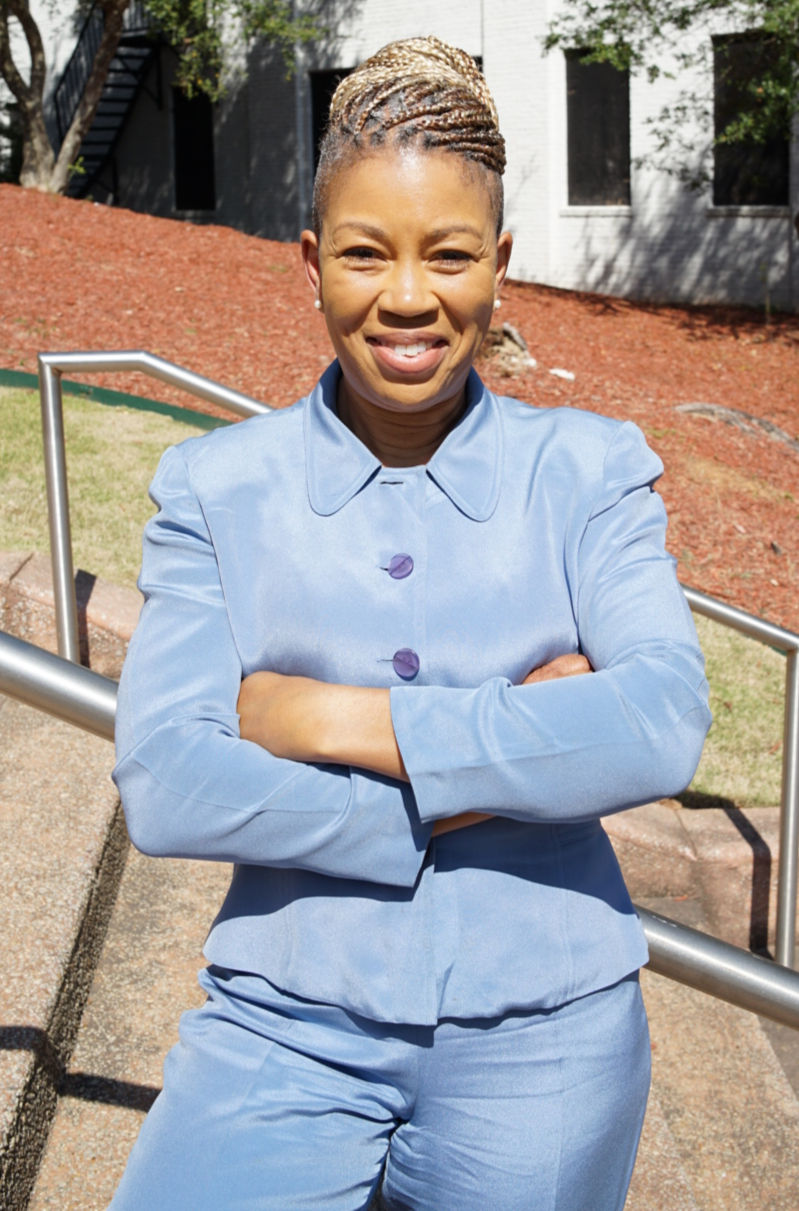
Dr. Melissa Speight Vaughn
Dr. Melissa Speight Vaughn, Research Scientist. President/Director of International Research, African Research Collaborative/Program Director, RISER, Center on the Ecology of Early Development, Boston University. Research focus: youth-led inquiry, community-based methodology, indigenous knowledge, research ethics, and research as a sacred liberatory practice. Developed HeKA: Youth Human Subjects Ethical Research Training Module, a culturally grounded research ethics curriculum to certify youth as co-investigators

Dr. Christa V. Hardy
Dr. Christa V. Hardy's work centers on making knowledge accessible and ensuring African American history and information access remain vital for future generations. Her career experience includes the University of Illinois, Alabama State University, Clayton State University, the Gates Foundation and D2L. Currently, she is an Independent Consultant and collaborates with Black Information Futures and the Black Youth Researchers Pedagogical Lab.

Dr. Brian Williams
Dr. Brian Williams is a scholar, author, and STEM educator whose work focuses on science and mathematics education, urban education, and the development of learning opportunities that expand access to science and mathematics literacy. He previously served as Executive Director of the Bob Moses Research Center for Math Literacy Through Public Education at Florida International University, where he led initiatives focused on strengthening mathematics literacy and supporting partnerships among schools, universities, and community organizations.
His scholarly work has appeared in journals including Science Education, Democracy and Education, School Community Journal, Negro Educational Review, and the International Journal of Social Research Methodology, and his research has been supported by grants from the National Science Foundation and the U.S. Department of Education.
Dr. Williams has more than twenty-five years of experience supporting the professional development of teachers and has consulted with organizations such as the National Science Foundation, the Educational Development Center, and Quality Education for Minorities. He holds degrees from Emory University (Ph.D.), the Georgia Institute of Technology (M.S.), and Norfolk State

Dr. Danie Marshall
With a decade of expertise in education, Danie Marshall, Ph.D., has dedicated her career to advancing qualitative research, oral history scholarship, and the promotion of wellness initiatives for educators across the African Diaspora. Guided by Womanist values, she amplifies the voices and experiences of Black women educators, students, and communities through her scholarship, artistic pursuits, and activism. Danie is dedicated to advocating for justice on behalf of educators, communities and students who have faced marginalization. She currently serves as a researcher at The United Negro College Fund (UNCF) and is the founder of a wellness-focused organization for women. Danie's work encompasses all aspects of qualitative research, from gathering and preserving oral histories of Black women in education to developing restorative retreats for academic professionals to write, reflect, and rejuvenate. She earned a Bachelor of Arts in Political Science with a concentration in Global Diplomacy from Louisiana State University, followed by a Master of Education in Early Childhood Education and a Doctor of Philosophy in Educational Policy Studies, both conferred by Georgia State University.
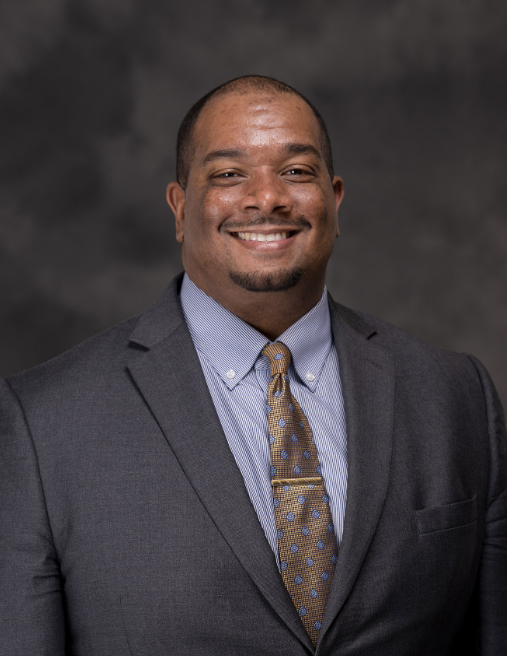
Maurice Robinson Ph.D
Maurice Robinson is an Assistant Professor of History at Alabama State University. Maurice is also the Book Review Editor for the Journal of African American History (JAAH). His academic work centers on U.S History and the intersections of environmental, political, and infrastructure histories. Currently, he is working on a manuscript about the Civil Rights Movement’s historical impact on the Interstate Highway System in the U.S. South.

Dehja Vaughn
Dehjah Vaughn joined the team as a Southern Education Foundation Fellow (Summer 2025) with the CREST program in New Orleans. Vaughn is an educator, PhD candidate at Clark Atlanta University, podcaster, and creative writer whose work centers Black consciousness, liberation, and economic imagination across the Diaspora. Committed to shifting dominant narratives, she highlights the exceptional achievements, complexity, and lived realities of Black individuals while creating space for vulnerability, possibility, and collective growth. Drawing from research analytics, cultural analysis, and poetic expression, Vaughn examines the role of political psychology in shaping Black life, asserting that such understanding is essential for fostering mental, emotional, and material flourishing. Her work bridges scholarship and creative practice, employing both qualitative and quantitative methodologies alongside storytelling to illuminate often-overlooked dimensions of the Black experience. Through her interdisciplinary approach, Vaughn remains dedicated to advancing narratives of empowerment and entrepreneurship, positioning Black liberation as both an intellectual pursuit and a lived, evolving practice.

Dr. Terrance Lewis
Terrance Lewis is an Assistant Professor of Social Studies Education at The University of Alabama. Terrance studies the historiography and pedagogical practices of Black teachers in the American South and the role of public art in the meaning-making of space and citizenship.

Vincent Hall
Vincent Hall, born and raised in Montgomery, Alabama, returned to the city six years ago and has since been actively engaged in community projects. He is the President of Living History Initiative, LLC, and a graduate of the first US Environmental Protection Agency HBCU Cohort pilot program. Vincent collaborates with the Tuskegee University Agriculture Innovation Center and the Peacock Tract community. He serves on the Montgomery Historic Preservation Commission, is a board member of Friends of the Freedom Rides Museum and is Vice President of Landmarks Foundation. With over fifteen years in historic preservation, particularly focusing on Rosenwald schools— an oral history interviewer and produced a short documentary on Rosenwald schools. Vincent’s community goals is to create an empowering narrative and elevate his community for sustainable development.

Montray Love
Montray Love, the project's 2026 Southern Education Foundation SELI Fellow, is a Ph.D. student in Educational Leadership and Policy at the University of Florida. His research focuses on education policy and the history of education, with particular attention to how political and historical forces shape opportunities for Black communities and institutions. He previously served as a high school social studies teacher in Broward County Public Schools, teaching U.S. History, Government, and Economics while helping students develop critical thinking and civic awareness. Montray has also worked as a research and teaching assistant, supporting undergraduate instruction in American government and contributing to research on education policy and law. He is especially interested in documenting and preserving the experiences of Black educators and connecting historical scholarship to contemporary policy debates. Outside of his academic work, Montray enjoys running, hiking, playing basketball, and fishing.